
Review · DRINKING TOURS
Make your own Bean to Bar Chocolate Factory Tour
The best part of this Falmouth experience is that you do not simply melt chocolate and sprinkle toppings on it. You follow cocoa from pod to bar, learning how the fruit is fermented, how beans become nibs, and how chocolate gets its final snap. Nick, a former BBC correspondent and longtime chocolate maker, leads the story with help from Marta.
I like the personal Jamaican connection, since Nick’s family has grown cocoa in the area for generations. I also like the hands-on work: roasting cocoa, trying traditional Jamaican spiced chocolate, tempering with a bowl, spatula, and hair dryer, then making your own inclusion bars. The main consideration is the firm 9:00 am start and the fact that the chocolate is vegan dark chocolate, which may surprise anyone expecting creamy milk chocolate.
In This Review
- Key points at a glance
- Why this is more than a chocolate-making class
- Starting at 9:00 am in Historic Port of Falmouth
- Opening the cocoa pod and meeting the raw ingredients
- Roasting cocoa in the industrial machines
- Learning hand tempering with a bowl and hair dryer
- Jamaican spiced chocolate with a local connection
- Designing your own inclusion chocolate bars
- What the small group size changes
- Is $75 a fair price for 90 minutes?
- Who will enjoy this Falmouth experience?
- Booking, timing, and cancellation details
- Should you book the Make Your Own Bean to Bar Chocolate Factory Tour?
- FAQ
- Where does the chocolate factory tour start?
- What time does the experience begin?
- How long does the tour last?
- Is the chocolate vegan?
- How many people can join the activity?
- Can I cancel for a full refund?
Key points at a glance
- Cocoa from pod to bar: Open the fruit, examine the beans, and learn how fermentation and processing shape the final flavor.
- A former BBC correspondent leads the session: Nick combines Jamaican family history with his own path into chocolate making.
- You make more than a souvenir: Roast cocoa, practice hand tempering, and create custom inclusion bars to take with you.
- Traditional Jamaican flavor gets a chocolate twist: The class includes a spiced chocolate recipe with a local connection.
- Small group setting: The maximum is 12 people, which suits a practical class better than a large demonstration.
- Easy for a Falmouth port stop: The meeting point is at 23 Harbour Lane, and the experience returns there after about 90 minutes.
Why this is more than a chocolate-making class
Many chocolate workshops begin with a bowl of melted chocolate. This one begins much earlier, with the cocoa pod itself and the story of how Jamaican chocolate fits into the island’s past.
At the Falmouth Chocolate Factory, you learn how cocoa was used by the Indigenous Taíno people and how its role changed over time. That context matters because chocolate is not just a sweet treat. It is an agricultural product shaped by farming, trade, labor, local taste, and technique.
Nick brings a personal link to the subject. His family has grown cocoa in the Falmouth area for generations, and he explains how he moved from work as a BBC correspondent into chocolate making. That unusual career path gives the session two useful angles: the wider story of chocolate and the practical details of turning beans into something you can eat.
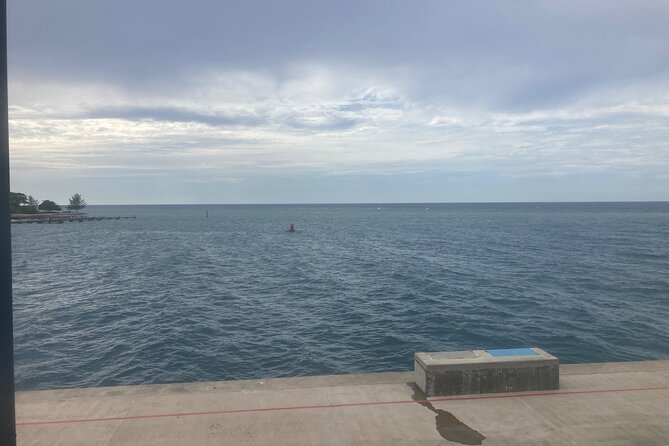
I like this format for people who want a sense of place without spending half a day on a formal museum tour. You are in Historic Port of Falmouth, close to the Caribbean Sea, but the focus stays firmly on Jamaican food and farming.
Other Trelawny days people book alongside this one:
- Triple Action pack Combo (Blue Hole, Horse back riding and river tubing)
★ 5.0 · 669 reviews - Bamboo Rafting and horseback
★ 4.5 · 556 reviews - Private Authentic Down-to-Earth Half Day Tour in Montego Bay
★ 5.0 · 500 reviews
Starting at 9:00 am in Historic Port of Falmouth
The experience starts at 23 Harbour Lane at 9:00 am and ends at the same place. It lasts about 1 hour and 30 minutes, so it fits neatly into a morning plan.
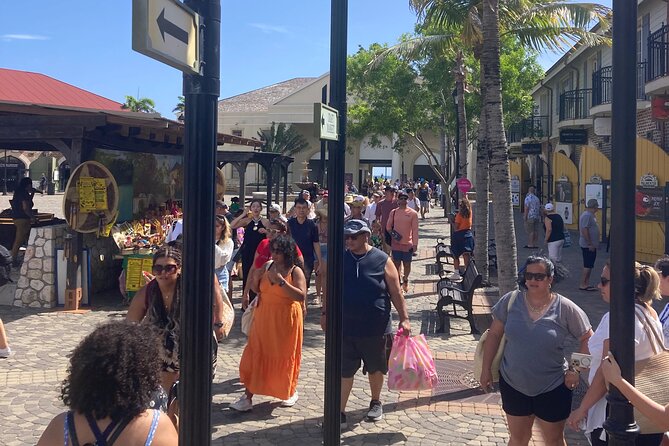
The location is especially useful if you are visiting Falmouth by cruise ship. The area is normally accessible only to cruise passengers, so this gives you a way to spend your port time on something local rather than simply browsing near the ship.
You should pay attention to the time zone. One couple arrived an hour early because they followed ship time instead of island time, and Nick accommodated them. That was a helpful gesture, but I would not plan on needing that flexibility. Check the local Jamaican time before you leave the ship or your accommodation.
The meeting point is near public transportation, though no specific transport route is provided. Since the activity is short and begins early, confirm how you will reach Harbour Lane before booking, especially if you are traveling independently.
Opening the cocoa pod and meeting the raw ingredients
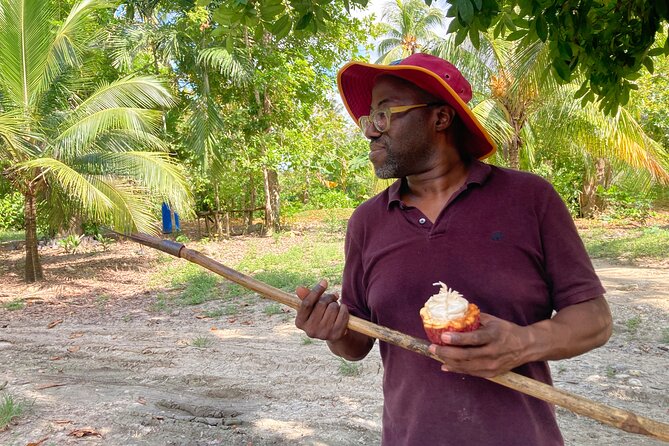
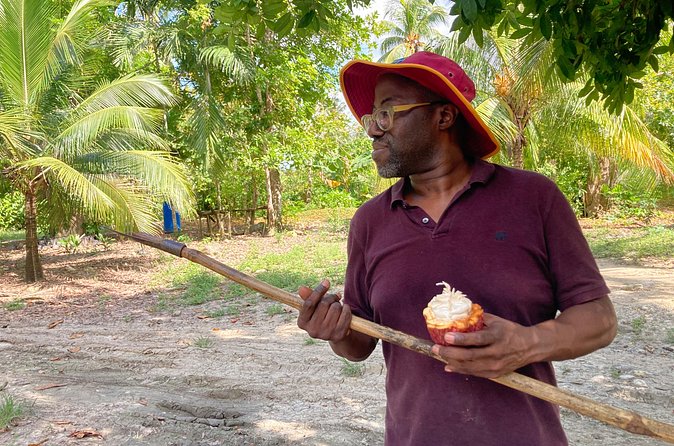
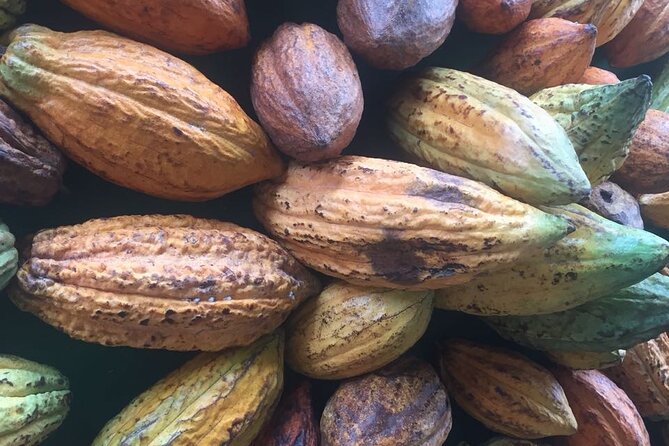
One of the most useful parts comes before the chocolate is finished. You are introduced to cocoa pods up close and look inside the fruit to see the beans in their natural setting.
This step helps you understand how far the raw product is from the chocolate bar in a shop. Cocoa beans are removed from the pod, fermented on the farm, and then processed into nibs. Each stage changes the flavor and texture, so the finished bar is the result of several decisions, not just a single recipe.
Nick explains how the beans are fermented and how nibs are processed. The information is practical rather than academic, which is what you want in a short session. You leave with a clearer sense of why chocolate from different places can taste so different, even when the basic ingredient is the same.
I particularly like that the pod is part of the lesson. If you have only seen cocoa as a polished bar or a packet of powder, this is the moment when the crop becomes real. It also connects the activity to Jamaican agriculture instead of treating chocolate as a factory product with no backstory.
Roasting cocoa in the industrial machines
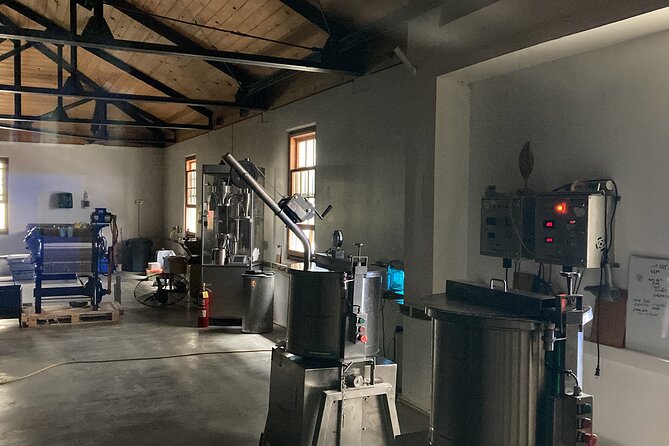
Next comes the roasting stage, using large industrial machines. Roasting is where the smell of cocoa becomes more familiar, and it makes the process feel like food production rather than a simple craft project.
You get to see how the raw beans change as they are heated. The point is not to turn you into a professional chocolate maker in 90 minutes. It is to show you the chain of work that sits behind a finished bar and to let you take part in a few important steps yourself.
The industrial equipment is a useful contrast to the later kitchen-table method. First you see how a factory handles cocoa, then you learn how to temper chocolate at home with basic tools. That comparison gives the class a good sense of scale.
You also get Nick’s favorite do-it-yourself hack for home chocolate making. The specific trick uses a hair dryer, along with a bowl and spatula, to help temper chocolate by hand. It is an appealing detail because it makes the technique seem possible in an ordinary kitchen rather than something reserved for a professional pastry shop.
More bars and rum stops in Trelawny:
- Appleton Rum Factory, Ys Falls, Black River Safari, Floyd’s Pelican Bar
★ 4.5 · 12 reviews - Negril One Love Bus Bar Crawl
★ 4.5 · 1,170 reviews - Reggae Catamaran and Snorkeling Open Bar Cruise Montego Bay
★ 4.0 · 453 reviews - YS Falls, Black River Safari, Appleton Rum Tour OR Pelican Bar (Choose Up to 3)
★ 5.0 · 90 reviews
Learning hand tempering with a bowl and hair dryer
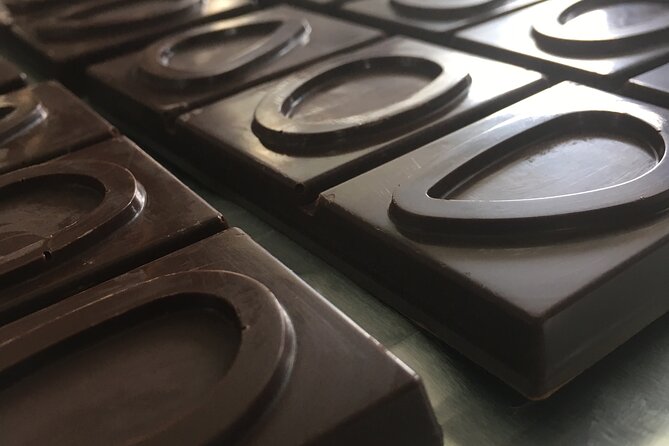
Tempering is the technical heart of the class. It is the process that helps chocolate set with a smooth finish and a satisfying snap. Here, Nick shows you how to do it at a kitchen table without specialized equipment.
The tools are simple: a bowl, a spatula, and a hair dryer. That setup will appeal to you if you enjoy learning techniques you can repeat at home. You are not only making a bar during the session; you are getting a method that may help you make better chocolate treats later.
The hair dryer is also a reminder that this is a practical workshop, not a polished cooking show. You are encouraged to understand the process and work with what you have. For a beginner, that can be more useful than watching an expert use expensive equipment.
Still, keep your expectations sensible. The session is only about 90 minutes, and the description does not promise professional-level training or a full course in chocolate science. Think of tempering as an accessible introduction, with enough technique to make the activity memorable and useful.
Jamaican spiced chocolate with a local connection
The group then makes traditional Jamaican spiced chocolate, with a twist. This is where the class moves from process to flavor.
The recipe gives you a taste of Jamaican culinary history rather than a generic chocolate-and-sprinkles activity. Spices can make dark chocolate taste warmer and more complex, and the local angle gives the recipe a reason to be included.
All the chocolate used in the experience is vegan. Dark chocolate is naturally vegan when it contains no milk ingredients, but the flavor can be quite different from the sweet milk chocolate many people expect. The description compares the taste to Christmas, which suggests a pronounced spiced character rather than a mild candy-bar flavor.
If you prefer dark chocolate, this should be one of the highlights. If you mainly eat milk chocolate, approach it as a new style rather than expecting a creamy substitute. The activity is not designed around dairy chocolate, and that is important to know before you pay.
Designing your own inclusion chocolate bars
The final creative stage is making custom inclusion bars. In chocolate terms, inclusions are ingredients added to the bar for extra flavor or texture. The supplied details do not specify the available ingredients, so you should expect a guided choice rather than plan around a particular topping.
This is a good ending because it gives you something personal to make after learning the basic process. You have already handled the cocoa, watched it roast, tasted a Jamaican spiced version, and practiced tempering. Now you use those ideas to create your own combination.
The bars are described as bespoke, so this is not just a demonstration where you watch someone else work. You get to make a chocolate product that reflects your own choices. The final reveal gives the session a clear finish, and your bars provide a physical reminder of the visit.
You should also allow time for the chocolate to set as instructed. The available information does not state exactly how the finished bars are packaged or when they can be eaten, so follow the guidance given on site.
What the small group size changes
The maximum group size is 12 people. That is small enough for a hands-on class to feel manageable, especially when the work involves roasting, tempering, and custom bars.
A smaller group usually makes it easier to follow the demonstration and ask questions. It also matters when you are working with shared equipment. You should still expect a group activity rather than private instruction, but 12 people is a reasonable limit for this format.
Nick and Marta are the hosts. The available details credit them with teaching the history of cocoa in Jamaica and explaining the mechanics of chocolate making. Their roles make the experience feel personal, especially because Nick’s family connection to cocoa farming is part of the story.
The three published ratings are all perfect, with praise focused on the unusual format, the educational content, and the hosts’ ability to connect chocolate with Jamaican history. I would give those points real weight, since they match what the experience is built to do. Just remember that three ratings are a small sample, so the perfect score is encouraging but not a guarantee that every chocolate preference will match your own.
Is $75 a fair price for 90 minutes?
At $75 per person, this is not a cheap tasting or a quick stop for a souvenir bar. You are paying for a guided workshop, the explanation of cocoa production, access to industrial roasting equipment, tastings, instruction in tempering, and the chance to make custom bars.
The value is strongest if you want participation and context, not simply food to eat. A basic chocolate tasting might cost less, but it would not give you the same look at pods, fermentation, roasting, and home tempering.
The short length is both a benefit and a limit. Ninety minutes works well during a cruise port call or a busy morning in Falmouth. It also means the class can introduce several stages without taking over your day. On the other hand, you will not have time for a long farm visit, advanced chocolate work, or a full production tour unless those details are added on site.
For a chocolate fan, a curious cook, or someone looking for a local food experience, $75 can make sense. If you simply want a large quantity of chocolate, this is probably not the best use of your budget. The value is in the lesson, the story, and the bars you make yourself.
Who will enjoy this Falmouth experience?
I would recommend it most to:
- Chocolate lovers who want to understand how cocoa becomes a bar.
- Cruise passengers looking for a port activity close to Historic Port of Falmouth.
- Home cooks interested in tempering without specialized equipment.
- Food-history fans who enjoy learning how ingredients connect to a place.
- Families or small groups who prefer a practical activity to sightseeing alone.
- Vegan visitors who want a chocolate experience that does not use milk ingredients.
It may be less suitable if you dislike dark chocolate, have no interest in hands-on food work, or want a longer farm-to-table tour. The activity is also not a general Jamaican cooking class. Its subject is cocoa and chocolate, with Jamaican history and flavor woven through it.
Booking, timing, and cancellation details
The experience is booked an average of 64 days ahead, so early planning is sensible, especially if your cruise schedule gives you only one available morning. Confirmation is provided when you book, and the ticket is mobile.
You can cancel for a full refund if you do so at least 24 hours before the local start time. Changes or cancellations made less than 24 hours before the start are not accepted for a refund.
Because the activity starts at 9:00 am, check your ship’s arrival and port schedule carefully. The time zone issue is worth taking seriously, even though Nick has shown some flexibility when people arrived early.
Should you book the Make Your Own Bean to Bar Chocolate Factory Tour?
Book it if you want to understand Jamaican cocoa by handling the ingredients and making the final product. The combination of pod, fermentation, roasting, spiced chocolate, hand tempering, and custom bars gives this short experience more substance than a standard candy-making class.
I especially like it for a Falmouth port day. It is compact, local, and active, with a small group limit and a meeting point in the historic port area. The personal connection of Nick’s cocoa-growing family and his unusual career change also gives the session a human story.
Skip it if you only enjoy milk chocolate, want a full plantation visit, or prefer to spend your $75 on a longer sightseeing tour. For everyone else, this is a smart choice when you want a taste of Jamaica that you can make with your own hands and repeat at home.
FAQ
Where does the chocolate factory tour start?
It starts at 23 Harbour Lane in Falmouth, Jamaica, and ends back at the same meeting point.
What time does the experience begin?
The start time is 9:00 am.
How long does the tour last?
The activity lasts approximately 1 hour and 30 minutes.
Is the chocolate vegan?
Yes. The experience uses vegan dark chocolate.
How many people can join the activity?
The maximum group size is 12 travelers.
Can I cancel for a full refund?
Yes. You can receive a full refund if you cancel at least 24 hours before the local start time. Cancellations or changes made less than 24 hours before the start are not accepted for a refund.
Recently added around Trelawny
- Full Day Martha Brae Rafting & Luminous Lagoon Tour with Dinner★ 3.5 · 3 reviews
- The Official Nine Mile Bob Marley Museum Guided Tour★ 5.0 · 3 reviews
- Falmouth Shore Excursion Dunn’s River Falls★ 4.5 · 3 reviews
- Private Dunns River Falls and Beach Break Excursion from Falmouth★ 5.0 · 3 reviews
- Dolphin Swim Adventure★ 5.0 · 3 reviews
- Dunn’s River Falls and Park Tour with Zip Line from Montego Bay★ 5.0 · 3 reviews
- Private Airport transfer hotels in montegobay★ 5.0 · 3 reviews
- Private bamboo rafting and massage in Montego Bay★ 5.0 · 3 reviews
Drinking Tours, compared.


Reggae Catamaran and Snorkeling Open Bar Cruise Montego Bay
Read our review →
YS Falls, Black River Safari, Appleton Rum Tour OR Pelican Bar (Choose Up to 3)
Read our review →
Private Transportation from Montego Bay to Appleton Estate & Pelican Bar
Read our review →
Appleton estate,YS Falls,Black River Safari,Pelican Bar(any 3of4)
Read our review →Browse the lists this tour appears in